
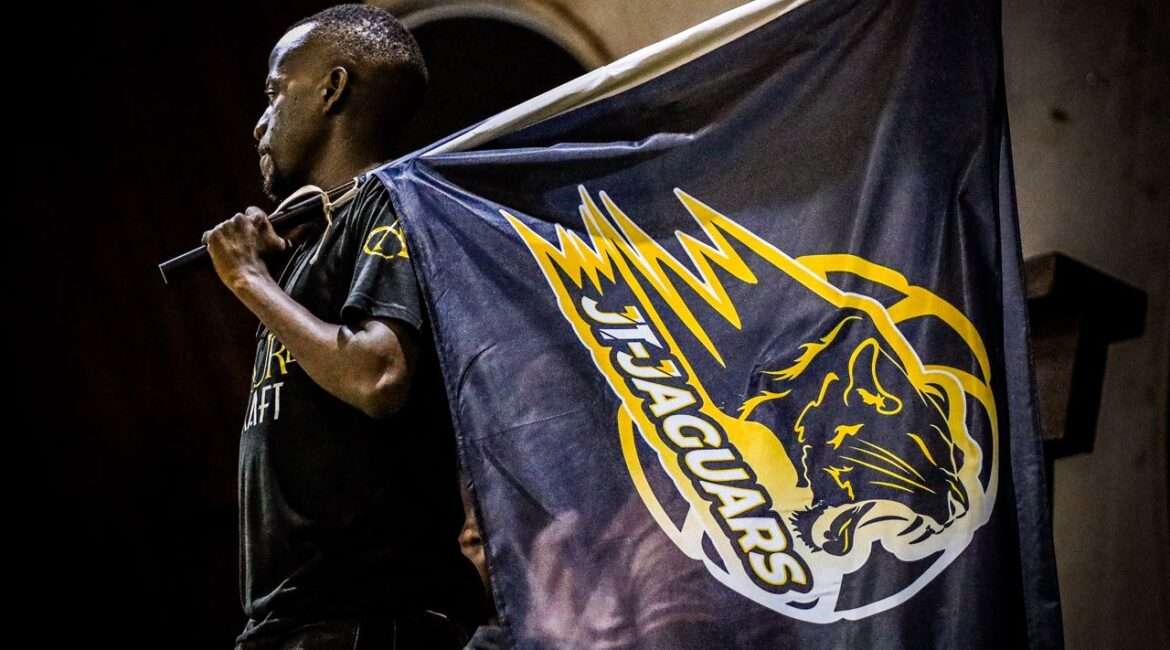
The JT Jaguars’ playoff run has taken an unexpected turn, not on the court but in the boardroom. The club, alongside the Namuwongo Blazers, has openly challenged the Federation of Uganda Basketball Associations (FUBA) Competitions Council over what they describe as an unfair interpretation of player registration rules.
At the heart of the matter is Article 3.05(h) of the FUBA Competitions Rules, which grants a 14-day window after the issuance of a Letter of Clearance (LOC) for a player to “physically append” their signature on a club’s bio data form. The controversy stems from how this phrase should be applied.
While most clubs have treated it as a requirement for players to sign in person, the City Oilers opted for a different route. Their new additions, Chad Bowie and Kurt Curry Wegscheider, were reportedly cleared through digitally submitted documents, raising questions on compliance.
When pressed, the Competitions Council provided two interpretations of the rule:
- Players physically appear at the office to sign.
- Teams submit rosters bearing signatures, regardless of whether they were obtained digitally.
The council leaned on the second interpretation, thereby validating the Oilers’ signings. This decision triggered immediate protests from the JT Jaguars and Blazers, who argue that the interpretation process itself lacked transparency and consistency.
The two clubs have since appealed, requesting that the matter be heard publicly and with urgency. The Jaguars, while confirming their intention to participate in the playoffs, tied that commitment to a demand for fair and transparent resolution. On guidance from the Judicial and Appeals Tribunal, they also sought a stay of their quarterfinal tie against the Oilers until the appeal is heard. That hearing is now set for Sunday, September 7, 2025.
The man at the forefront of this push is Dr. Jeff Teya Nyangenya, president of the JT Jaguars Basketball Club. This is not the first time Dr. Nyangena has taken on matters involving the federation, and his track record reflects resilience and a consistent commitment to fairness. Now that the issue directly concerns his own club, he has made it clear that the Jaguars will not be silent.
Importantly, this fight is not about proving a point or showing resistance to City Oilers’ new signings. Instead, it speaks to a broader principle: the basketball community must be able to hold the federation accountable when clarity, fairness, and integrity are in question. The Jaguars view themselves not only as competitors on the court but also as stakeholders who can help shape a more transparent and credible sporting environment.
With the request that the hearing be conducted publicly, the expectation now shifts to FUBA to announce a venue and ensure that due process is carried out openly. For the Jaguars, this moment goes beyond a single playoff series—it is about protecting the integrity of the game and ensuring that Ugandan basketball is governed in a way that inspires trust across the entire community.